SGX Lists Five New Asia Index Futures on FTSE Russell Benchmarks
Singapore Exchange listed five new FTSE Russell-based regional and country index futures on 23 November 2026, in both price and net total return variants, widening its Asian derivatives suite.
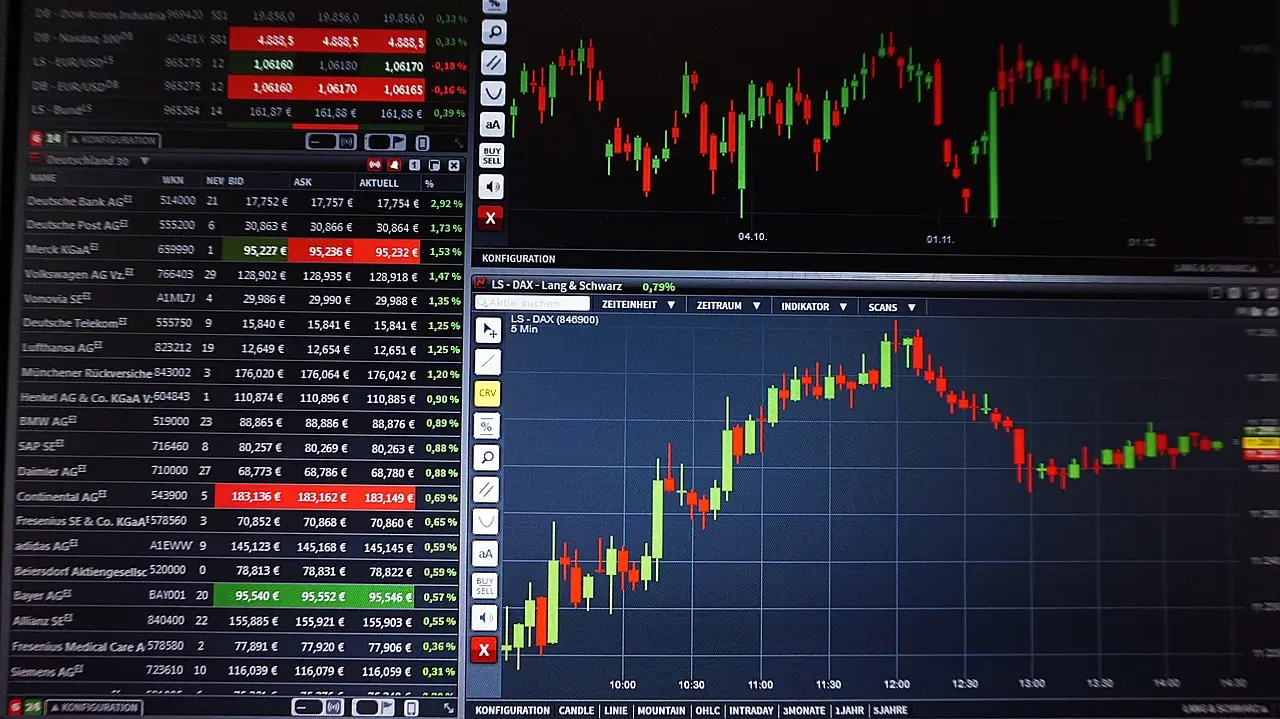
Execution notes
- SGX launched five new futures contracts on 23 November 2026.
- Underlyings are FTSE Russell regional and single-country Asian equity indices.
- Both price index and net total return index variants are listed.
- SGX shares quoted at 13.80 euro on Lang & Schwarz at 20:42 Berlin time, 23 November 2026.
- The Edge Malaysia reported the launch.
Singapore Exchange launched five new futures contracts on Monday, 23 November 2026, extending its menu of regional and country-specific equity index derivatives for Asian markets. The Edge Malaysia reported the launch.
The new contracts cover both regional indices and single-country indices. Each is calculated by FTSE Russell and exists in two forms: a price index version and a net total return version. That distinction matters for desks hedging or gaining exposure, because net total return indices reinvest dividends after withholding tax, while price indices strip them out entirely.
What does the launch change for execution desks?
The practical effect is breadth. SGX already runs one of the deepest Asian index derivative suites outside Japan, and the five additions fill gaps in its regional and country coverage. Buy-side desks running Asia allocations now have cleared, exchange-traded instruments where they may previously have relied on swaps, ETFs or OTC alternatives, with the margining, clearing and central counterparty treatment that listed futures carry.
For sell-side and market-making desks, the question is liquidity. A launch date tells you nothing about depth, spreads or open interest — those metrics arrive in the weeks after listing. Until volumes print, participants will price the new contracts cautiously and treat them as unproven venues for size.
The structure of the products is straightforward:
- Five contracts listed 23 November 2026.
- Underlyings are regional and single-country Asian equity indices.
- All indices calculated by FTSE Russell.
- Both price index and net total return index variants available.
SGX positioned the launch as a broadening of its existing Asian equity index derivative range. The exchange's statement, as reported, makes no volume projections and commits to no specific market-makers or incentive schemes — so treat coverage claims as aspirational until order book data confirms uptake.
What was measured, and what was asserted?
Two categories of fact sit in this story, and they should not be confused. Measured: the launch itself, dated 23 November 2026, and the share price of Singapore Exchange Limited at 20:42 Berlin time that evening — 13.80 euro on Lang & Schwarz (ISIN SG1J26887955). Asserted: that the new contracts meaningfully widen the toolkit available to investors seeking regional and national Asian equity exposure. The first is a fact on the tape; the second is an exchange framing that liquidity will either validate or contradict over coming months.
The 13.80 euro quote is a single realtime print from one trading venue at one moment, not a verdict on the launch's market impact. One evening's price tells you nothing about how the street values five new contract lines.
Why the price-versus-total-return split matters
Listing both index variants is the technically interesting part of the announcement. Price index futures suit desks running pure capital appreciation strategies or hedging positions benchmarked against price indices. Net total return futures better track the economics of physically holding the basket, dividends included, which matters for structured products, delta-one desks and anyone reconciling futures basis against cash market total returns.
Having both listed side by side on one exchange simplifies the roll, margin and collateral stack. Desks that previously stitched together exposure across venues or instrument types can consolidate clearing relationships at SGX, with the associated netting benefits that a single CCP provides.
None of this is mandated or regulated change — it is a commercial product extension, competing for flow against other Asian derivative venues and the OTC alternatives it aims to displace.
The next observable milestone is open interest and daily volume in the five contracts over their first full trading month, which will show whether SGX has added genuinely tradable instruments or just lengthened its product list.
via ad-hoc-news.de (Source)
More from Daniel Okafor
Show full bio
Market editor covering people, launches and day-to-day practice in market microstructure and institutional trading at Order Flow Brief.
99 articles
Blotter · related prints
Eurex to Launch Cleared Japanese Single-Stock and Dividend Futures
SGX Investigates Short-Selling Breaches in Blumont, Asiasons
SGX FX Widens Aladdin Link as Buy-Side FX Volumes Hit $190.2 Billion
Hong Kong to exclude proprietary trading firms from planned tax relief
JPX Publishes Dark Pool Trading Value Data Through March 2025