FCA and PRA Draft Cyber Rules Put Boards on the Hook
FCA, PRA and Bank of England propose cyber resilience guidance built on a £200m illustrative breach cost, bare-metal recovery testing, and board-level accountability. Consultation closes February 26, 2027.
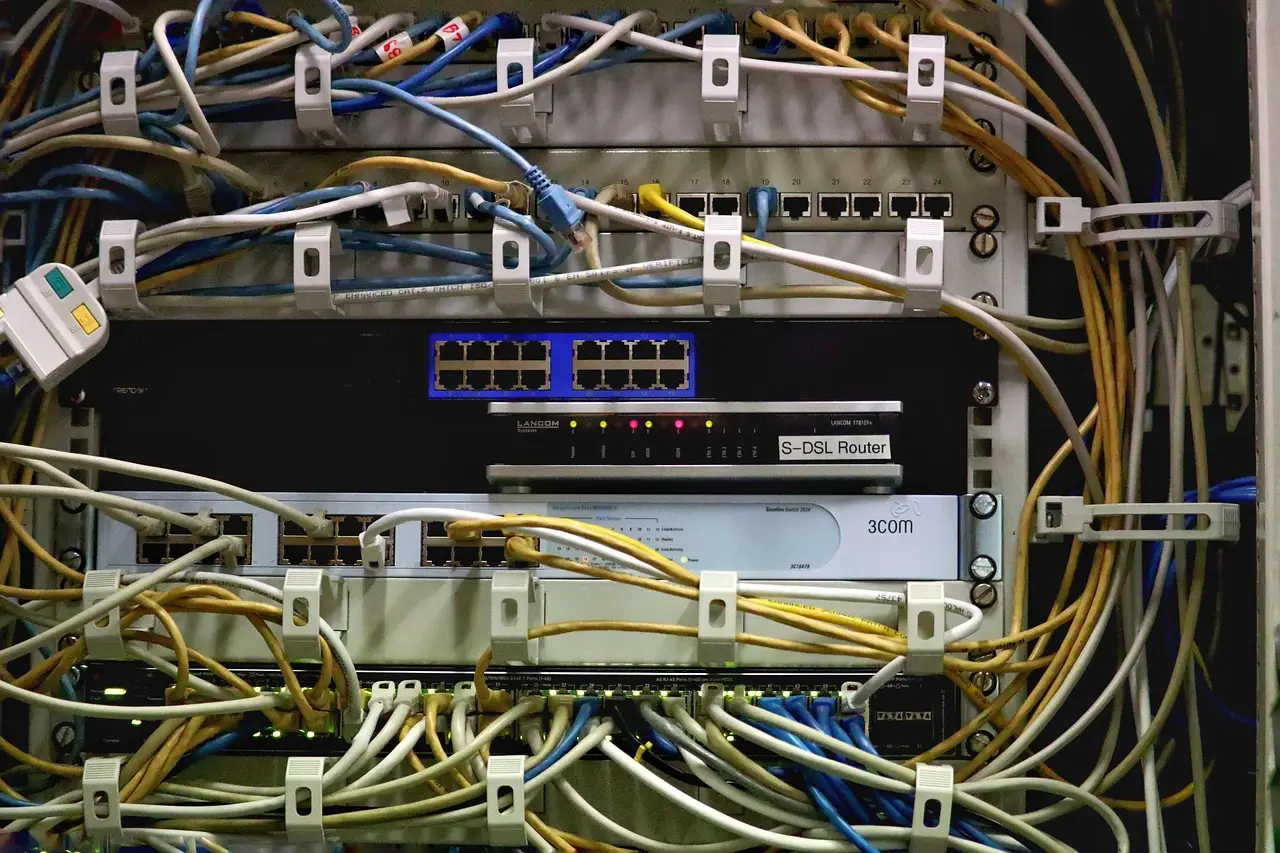
Execution notes
- FCA, PRA and Bank of England published a joint consultation; feedback open until February 26, 2027.
- Illustrative annual cyber cost of ~£200m derived from 33 reported incidents and IBM's £6.05m average UK financial services breach cost.
- Scope covers PRA-designated investment firms, UK-recognised exchanges, large SYSC 15A brokers, and cryptoasset firms from October 25, 2027.
- Firms must pre-define a minimum service level and test 'bare metal recovery' without relying on compromised backups.
- International firms can cite EU DORA or US NIST compliance as supporting evidence.
UK regulators have put a number on the cyber problem facing financial firms: 33 reported cyber incidents involving UK financial services companies, scaled against IBM's estimated average cost of £6.05 million per UK financial services data breach, produce an illustrative annual cost of roughly £200 million. That figure anchors a joint consultation paper published by the Financial Conduct Authority, the Prudential Regulation Authority and the Bank of England, which proposes guidance — not yet binding rules — on cyber risk and resilience management for investment firms.
The document, open for industry feedback until February 26, 2027, introduces no new rules at this stage. But the regulators state plainly that the guidance may be used to evaluate how investment firms respond to cyber threats. Firms should read that as supervision, not suggestion.
What does the consultation actually say?
"Technology moves fast, and so do cyber threats," said Nikhil Rathi, Chief Executive of the FCA. "Our response doesn't always have to be making new rules. Firms have asked us to clarify what good cyber resilience looks like. This guidance provides that clarity."
The scope is defined precisely. The proposed framework applies to:
- PRA-designated investment firms;
- UK-recognised investment exchanges;
- large FCA-regulated brokers subject to SYSC 15A operational resilience rules;
- qualified cryptoasset companies, from October 25, 2027.
Smaller brokers outside that perimeter and UK branches of overseas firms are out of scope, though regulators would encourage them "to refer to it in their cyber risk and resilience management." An exemption from scope is not an exemption from scrutiny.
Who carries the accountability?
Under the proposed framework, cyber risk becomes a strategic business risk, assigned as the direct responsibility of a specified top manager — a Chief Operations Officer, for example. Regulators also expect entire boards to maintain collective cyber literacy rather than relying on a single technical specialist.
One message lands hardest on executives: buying a cyber insurance policy would no longer protect the leadership from weak controls. A premium is not a control.
How real is the £200 million figure?
The regulators themselves flag its limits. The £200 million is an illustrative calculation built from the 33 reported incidents and IBM's £6.05 million average breach cost — a benchmark, not a verified tally of losses among regulated entities. The number does two things: it sizes the exposure for boards, and it gives supervisors a reference point when they ask firms how they priced their own risk. Treat it as a stress-test input, not an audit finding.
For investment firms and brokers, the exposure compounds through the supply chain. Heavy reliance on third-party software, cloud providers, and external liquidity or data vendors means a single compromised supplier can trigger a chain reaction across trading venues.
What must firms be able to do?
The regulators' operating assumption is blunt: assume a breach will occur. "Cyber attacks are becoming more frequent, complex and severe," said Katharine Braddick, Deputy Governor for Prudential Regulation at the Bank of England and CEO of the PRA. "Regulators need confidence not just that firms have strong controls, but that they can detect, contain and recover quickly when incidents happen."
Two capabilities sit at the core of the proposal:
- Firms must pre-define a "minimum level of service" to keep critical operations running in a degraded state.
- Firms must test their ability to execute a "bare metal recovery" — rebuilding core systems from scratch in a clean environment, without relying on potentially compromised backups.
The recovery requirement matters most where downtime converts directly into loss: trading companies and payment providers, where even a few hours of outage can cost millions of pounds and lasting reputational damage. Restore-from-backup drills that assume clean backups will not satisfy this. The test is rebuilding under the assumption that everything, including the backups, is compromised.
Is there relief for global firms?
Yes, and it is specific. UK watchdogs confirmed that international investment firms can use existing compliance with the EU's DORA framework or the US NIST framework as supporting evidence to meet London's expectations. Dual-regulated firms will still need to map where the UK guidance exceeds those frameworks — the paper promises equivalence as evidence, not exemption.
The consultation window runs to February 26, 2027, with the cryptoasset extension taking effect October 25, 2027; firms in scope should expect the final guidance to shape supervisory questions on recovery testing well before either date.
via financemagnates.com (Source)
More from James Calloway
Show full bio
Correspondent covering technology and product news in market microstructure and institutional trading at Order Flow Brief.
91 articles
Blotter · related prints
UK Regulators Propose Cyber Resilience Guidance as Reports Hit 18-Month High
DFSA Flags AI Execution Risks in 38-Page Cyber Resilience Report
MAS Sets AI Risk Guidelines for Finance, Effective October 2027
Four Tech Firms Under UK Watch, Brokers Keep the Compliance Bill
UK Regulators Place BlackRock on Critical Third-Party Watch List