NYSE to List $100 Binary Return Options on Apple, Nvidia, Tesla
NYSE will list $100-payout binary return options on Apple, Nvidia, Tesla and nine other underlyings within days, under rules the SEC first approved in 2007.
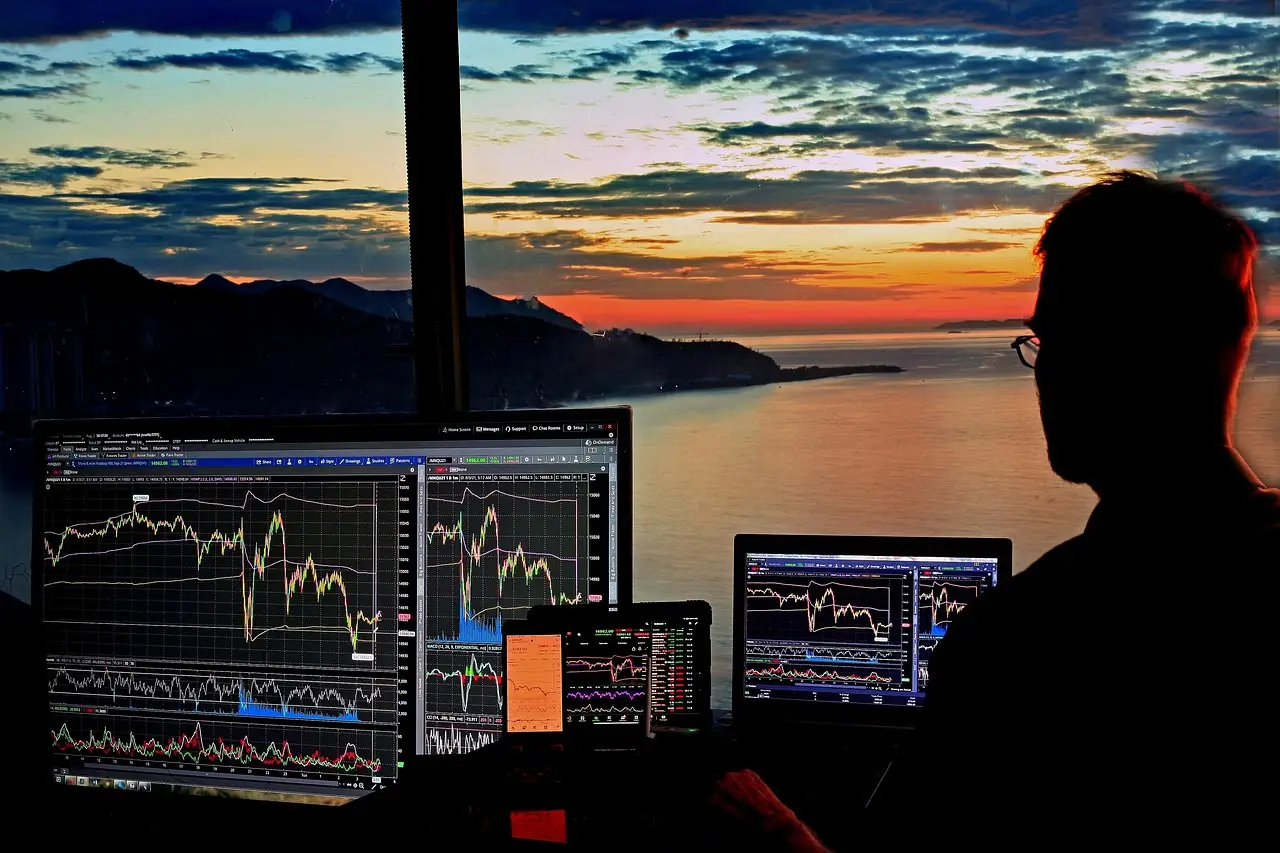
Execution notes
- NYSE plans to list binary return options paying a fixed $100 on 12 underlyings, including Apple, Nvidia, Tesla and SPDR S&P 500 ETF Trust, within days.
- Monthly US event contract volume grew from about $1 billion in 2024 to more than $50 billion in July 2026, per the Committee on Capital Markets Regulation.
- The SEC approved the contract framework in August 2007 as Fixed Return Options; NYSE American relaunched them as Binary Return Derivatives in 2014.
- The SEC cleared Cboe's earnings contracts on October 13; Cboe's clearing house won temporary registration on October 23, with Q4 listing planned.
- Intercontinental Exchange completed an up-to-$2 billion investment in Polymarket in March after agreeing it in October 2025.
The New York Stock Exchange plans to start trading all-or-nothing options on 12 stocks and ETFs within days, with Apple, Nvidia, Tesla and the SPDR S&P 500 ETF Trust among the first underlyings, Reuters reported on Tuesday. Each binary return option pays a fixed $100 if the share closes above or below a set price — and nothing if it does not. NYSE says it will add more underlyings over time.
The launch puts three US exchanges in the same product race at three different stages. Cboe's yes-or-no options on the Mini-S&P 500, listed since June with Interactive Brokers as the first entry point, are the only ones of these contracts already trading. Charles Schwab plans to offer them to retail clients. MEMX filed for similar earnings contracts in August, NYSE followed in September, and four products now sit in the queue behind Cboe's listed index binaries.
What is driving the filings?
US demand for yes-or-no bets has grown fast enough to draw a regulator-cited number. Monthly event contract volume rose from roughly $1 billion in 2024 to more than $50 billion in July 2026, the Committee on Capital Markets Regulation said this month in a letter backing Cboe's plan for contracts on company earnings figures.
"We've seen this incredible growth in the US options market over the last several years," Kevin Tyrrell, NYSE's chief product officer, told Reuters. The claim tracks the volume data; what it does not address is how much of that growth migrates from prediction-market apps to exchange-listed contracts, and at what clearing cost.
Why NYSE can move within days
The single-stock contracts run under rules NYSE American has carried for years, which explains the compressed launch timeline. The SEC approved them in August 2007 as Fixed Return Options on stocks and ETFs, when the venue was still the American Stock Exchange. The exchange limited them to closing trades in March 2009, filings show, and won SEC approval in 2014 to relaunch them as Binary Return Derivatives.
The earnings contracts NYSE still awaits are a different filing. They would pay $1 or nothing, depending on whether a figure reported to the SEC — Apple's iPhone sales or Tesla's Model 3/Y production, for example — meets a strike. The filings list 23 companies, from JPMorgan Chase to SpaceX.
Where does Cboe stand?
Cboe holds the first-mover slot and is extending it. The SEC cleared its earnings contracts on October 13, with Robinhood lined up as the first retail broker. Cboe's clearing house won temporary SEC registration on October 23. Listing is planned for the fourth quarter.
The dates matter for desks watching the pipeline: SEC product approval on October 13 and clearing registration on October 23 are separate gates, and Cboe has passed both only in temporary form on the clearing side. NYSE and MEMX have passed neither for their earnings contracts.
What about retail access outside the US?
The same all-or-nothing payout remains closed to European retail clients. The European Securities and Markets Authority barred binary option sales to retail investors in 2018 and said in July that event contracts classed as financial instruments fall under the same bans. Britain's Financial Conduct Authority made its retail ban permanent in April 2019.
The US divergence is structural, not incidental: three domestic exchanges are filing for products that two major European regulators classify as prohibited for retail distribution. Cross-border brokers face the compliance split directly.
Who else has a stake?
NYSE's owner has a separate position in the sector. Intercontinental Exchange agreed in October 2025 to invest up to $2 billion in prediction market Polymarket and completed the commitment in March.
That closes the loop between listed venues and offshore prediction platforms — the same firm that operates NYSE now holds a completed $2 billion position in a venue whose product competes for the same order flow. Whether binary return options pull that flow on-exchange, or the queue of four pending products fragments it across venues, will show first in the opening volume prints once NYSE's 12 underlyings go live.
via events.financemagnates.com (Original)
More from James Calloway
Show full bio
Correspondent covering technology and product news in market microstructure and institutional trading at Order Flow Brief.
62 articles
Blotter · related prints
Cboe and NYSE Open Pre-Market Windows for Single-Stock Options
700Cboe Plans October Launch of KPI Binary Contracts via Robinhood
900Cboe Extends Options Trading Hours to 29 Names Covering 53% of Volume
500Cboe, S&P DJI Extend Exclusive SPX Options License Through 2051
900Cboe to Launch KPI Binary Contracts for 23 Companies in October 2026
300