Nasdaq Plans 23-Hour U.S. Stock Trading From Dec. 6
Nasdaq plans 23-hour U.S. stock trading from Dec. 6, adding a daily 8-9 p.m. ET maintenance and settlement window while retaining the 9:30-4 session, auctions and the official close.
Execution notes
- Nasdaq plans 23-hour trading in U.S. stocks from Sunday, Dec. 6, 2026.
- The daily maintenance, clearing, settlement and corporate-action window runs from 8:00 p.m. to 9:00 p.m. ET.
- The regular 9:30 a.m.-4:00 p.m. ET session and opening and closing auctions remain.
- Nasdaq announced the schedule in its newsroom on Oct. 23, 2026.
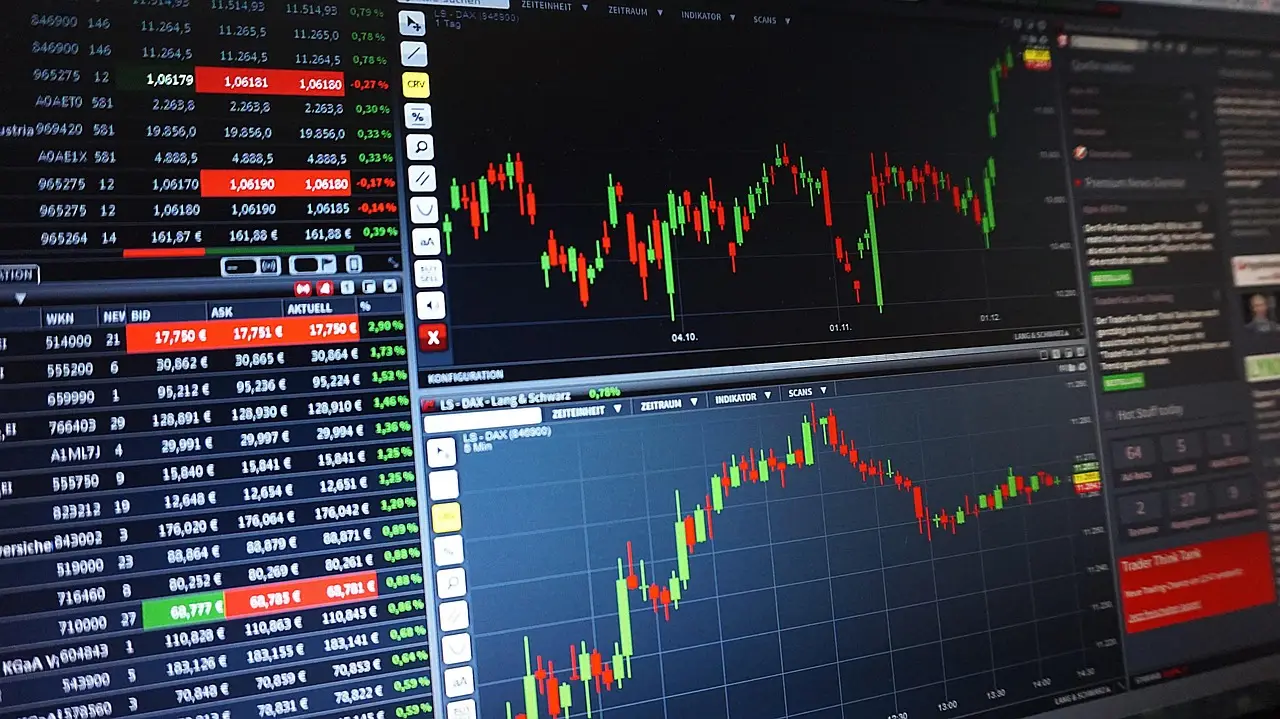
- Nasdaq Inc. shares at Lang & Schwarz rose from €96.65 on Nov. 9 to €98.80 at 18:48 on Nov. 13, 2026, up 2.23 percent.
Nasdaq plans to expand U.S. stock trading to 23 hours a day, five days a week, from Sunday, Dec. 6, 2026. A one-hour daily pause will run from 8:00 p.m. to 9:00 p.m. Eastern Time for maintenance and post-trade work. The Oct. 23, 2026 announcement keeps the 9:30 a.m. to 4:00 p.m. ET session and opening and closing auctions in place.
What changes on Dec. 6?
The planned operating week runs from Sunday at 9:00 p.m. ET through Friday at 8:00 p.m. ET. Excluding the pause, each trading day contains 23 hours. The announcement does not provide a separate auction timetable, leaving the stated 9:30 a.m.-4:00 p.m. core session as the timing reference.
- Daily break: 8:00 p.m. to 9:00 p.m. ET.
- Processing remit: maintenance, clearing (matching and netting trades), settlement (cash and securities delivery) and corporate actions (issuer-related changes to listed securities).
- Weekly span: Sunday at 9:00 p.m. ET through Friday at 8:00 p.m. ET.
The schedule adds an overnight operating cycle and a protected work window without removing the regular session.
What stays intact?
From 9:30 a.m. to 4:00 p.m. ET, the regular U.S. session will remain intact. The opening and closing auctions are scheduled to continue. Nasdaq stated: “The closing auction will continue to establish the official closing price for listed securities.” The official close therefore remains a defined reference point even as trading starts earlier and ends later.
Broader access does not guarantee broader liquidity. Investors gain more hours to reach U.S. stocks across time zones, but Nasdaq expects most liquidity to remain concentrated in traditional U.S. trading hours. The source gives no extended-hours volume, spread, order-book depth or fee forecast, so desks cannot treat longer access as evidence of tighter execution.
Longer trading hours widen the clock, not necessarily the liquidity pool.
Where does the operating burden shift?
Longer windows raise requirements for automation, risk monitoring and technical resilience, meaning the exchange must remain stable across a longer processing cycle. Nasdaq also refers to adjusted market-data offerings, including feeds and related services, which execution and data teams will need to reconcile with the new timetable.
The daily interruption gives the operator a defined point for maintenance and post-trade work, including clearing, settlement and issuer-related corporate actions.
The report announces no new regulatory obligation for listed companies; Nasdaq says the meaning of existing regulatory requirements remains unchanged. Nor does the report present a regulatory rulemaking timetable, participant approval process or separate compliance deadline. For execution desks, this is a venue schedule with an implementation date, not a regulator-mandated market-structure change.
The added hours bring more systems work, while the report leaves participant rules and costs unspecified.
What does the share-price move show?
The Nov. 13 report records a share-price move, which is not an operating-volume measure. Nasdaq Inc. shares at Lang & Schwarz rose from €96.65 on Nov. 9 to €98.80 at 18:48 on Friday, Nov. 13, 2026, a gain of 2.23 percent. The instrument carries ISIN US6311031081. The source makes no causal claim connecting that move to the trading expansion.
A higher quoted share price cannot establish whether the added session will attract order flow, reduce spreads or change venue economics. Those execution measures require separate operating data, and none appears in the report.
The 2.23 percent stock gain is a market reaction, not evidence about trading quality.
What should desks watch next?
Implementation is scheduled to begin with the Sunday-evening start on Dec. 6, followed by five nightly maintenance and processing windows. The report gives no target for uptime, processing completion during the break, revised market-data interfaces or expected participation. It also invokes the wider international exchange environment without supplying comparative venue volumes or cross-market execution figures.
Execution desks must therefore assess those items against their own order-routing, or placement of orders with venues, and risk-control workflows.
Nasdaq expects most liquidity to stay in the traditional U.S. session. The forward test is whether the added hours develop usable activity without pulling liquidity away from the core session and closing auction; in plain terms, longer hours matter only if traders can use them while the established close remains stable.
via ad-hoc-news.de (Source)
More from Elena Vasquez
Show full bio
News editor covering money, funding and market shifts around market microstructure and institutional trading at Order Flow Brief.
101 articles
Blotter · related prints
Nasdaq Plans 23-Hour Trading Session Starting December 6, 2026
SIPs, TRFs and Exchanges Line Up for December 6 Overnight Rollout
Webull Adds Pre-Market Options, Capping a Week of Broker Rollouts
Cboe and NYSE Open Pre-Market Windows for Single-Stock Options
STA's 93rd Market Structure Conference Eyes Overnight Trading